
Industry
Nonprofit operations depend on turning commitments into results
Funding comes with expectations. Programs make promises to people, partners, funders, and boards. Those commitments have to carry through the work — from planning and delivery to outcomes and reporting.As programs, funding, and partnerships change, keeping that chain intact becomes part of the operational challenge.
Who this software is built for
Funding, people, services, costs, outcomes, and evidence need to stay connected even when they live in different systems.

Direct-service nonprofits
Delivering programs and services while keeping participant records, service activity, outcomes, and funder reporting connected without adding unnecessary administrative work for frontline teams.

International nonprofits & humanitarian organizations
Running programs across country teams and local partners, including low-connectivity field settings, while keeping beneficiary information, donor requirements, and reporting consistent across regions.

Foundations & grantmakers
Managing applications, grant decisions, awards, payments, and grantee reporting while keeping the requirements and decisions behind each grant clear throughout the grantmaking process.

National, chapter & affiliate organizations
Supporting local chapters and affiliates while maintaining shared standards, constituent information, reporting, and clear responsibilities across the wider organization.
Core system pressures
Nonprofits are being asked to deliver more under less predictable funding, while absorbing the administrative requirements needed to fund, document, and sustain that work.

Funding does not always cover the full cost of the work
Programs still need staff, systems, administration, and infrastructure even when funding is focused on direct delivery.

Different funding sources bring different requirements
Restrictions, deliverables, budgets, deadlines, and reporting expectations have to be carried through the work.

Proving the work can take time from doing it
Reporting, compliance, and data collection can consume the same staff capacity needed for programs and services.

Complex operations with limited tech capacity
Organizations may rely on CRM, grants, program, finance, membership, and reporting systems without large internal technology teams.
Collect, share, and retain data intentionally
only the information the work requires, for as long and as widely as necessary
Different data carries different risks
donor, member, volunteer, applicant, participant, beneficiary, and program information
Control who can see and change what
access that reflects staff roles, partners, chapters, programs, and responsibilities
Keep records that can support review and reporting
financial, grant, program, and organizational information that remains usable when evidence is required
Integrations and ecosystem
The connection itself is only part of the problem. A donor restriction may need to survive into finance, an intake record into case management, or a partner update back into the program record. What matters is whether the relationship behind the data survives the handoff.
Depending on the organization, the work may move between:
 Fundraising and constituent systems — donor CRM, giving, recurring donations, payments, campaigns, and communications
- Program and service-delivery systems — case management, participant records, services, referrals, outcome tracking, and field operations
- Grantmaking and grants systems — applications, awards, requirements, payments, grantee reporting, and external nonprofit data
- Finance and accounting systems — budgets, restricted funds, expenses, payments, and reconciliation
- Member, chapter, and engagement platforms — membership, volunteer management, events, learning, portals, and local operations
The mix is different for every organization. The goal is not to force everything into one platform, but to keep the operation coherent across the systems the organization already depends on.
Keep funding, programs, finance, and reporting connected
When systems already do their jobs, the opportunity is often in connecting the workflows, data, and reporting between them.
Product lifecycle complexity

The system has to keep running after project funding ends
Support, security, administration, and maintenance become ongoing operating costs.

Program and funding models change over time
New grants, reporting obligations, partners, or delivery models can change what the system needs to support.

Operational knowledge has to survive the implementation team
Rules, integrations, data definitions, and responsibilities should remain understandable when staff or vendors change.
Where these systems tend to fail
Problems show up when the system no longer matches how the organization actually works. Records diverge across systems, reporting turns into reconstruction, context gets lost between teams, and staff fill the gaps with manual work.

The platform stops matching the work
New programs, reporting needs, or constituent relationships push teams into custom fields, side processes, and manual workarounds.

The same person or organization appears in several systems
Donors, participants, members, grantees, and partners can become duplicated or inconsistent across platforms.

Every report becomes a reconstruction
Program, financial, grant, and outcome information has to be gathered and reconciled again each time.

Handoffs lose context
Status, responsibilities, restrictions, or history disappear as work moves between teams, partners, chapters, and systems.

Spreadsheets become the layer between systems
Exports, shared files, and manual checks fill the gaps between program, fundraising, finance, grant, and reporting tools.
Role of a technical partner
A media change rarely stays inside one system. A new channel, rights model, subscription offer, CMS, MAM, or distribution partner can change how content is prepared, made available, monetized, and reported across the operation.

Preserving relationships across systems
Design integrations and data structures so participant, donor, grant, program, financial, and reporting records remain connected as information moves between platforms.

Changing systems without carrying the problems forward
Use migration and implementation to address obsolete data, duplicated records, manual workarounds, and unclear ownership instead of recreating them in the new environment.

Designing for the capacity that will own it
Keep administration, integrations, documentation, support, and future changes manageable for the people and resources available after implementation.
Operating conditions
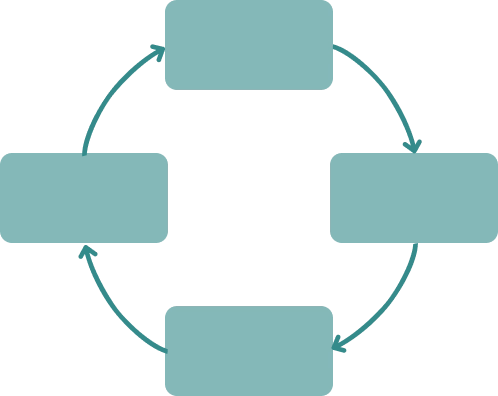
When the system holds
 Different teams can work differently without becoming disconnected
Programs, finance, fundraising, chapters, or grantmaking teams can keep their own workflows without losing the relationships and information they share.- The technology is manageable with the capacity available
Administration, support, integrations, and changes do not require more specialist capacity than the organization can realistically sustain. - Change does not automatically create another workaround
New grants, reporting needs, programs, or partners can be accommodated without another spreadsheet, manual handoff, or one-off customization.
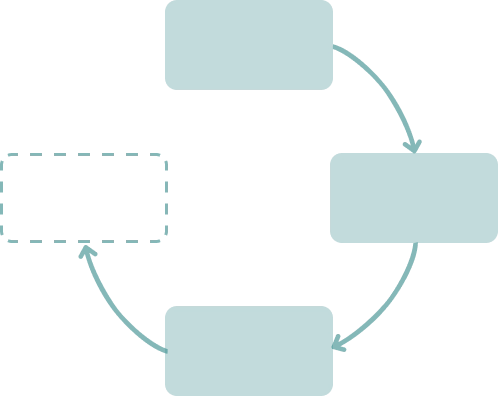
When problems appear
- Different teams create their own version of the operation
Programs, fundraising, finance, or chapters maintain separate records and processes because the shared environment no longer supports how they work together. - Support depends on too few people or too much outside help
Routine administration, troubleshooting, and changes become dependent on a small number of staff, consultants, or vendors. - Every new requirement adds another exception
New grants, reporting needs, workflows, or integrations accumulate as custom fields, exports, spreadsheets, patches, and manual reconciliation.
FAQ
Schedule a consultation with our team
Choose a time that works for you
Schedule with Galina

Prefer to share details first?
Our team will review your request and follow up to schedule a call.